Bio-inspired R&D platform: how Asteria works
A five-step methodology embedded in AI, not a search engine, not a wrapper. A structured path from functional challenge to defensible, deployable concept. Built by engineers, for engineers.


.jpg)
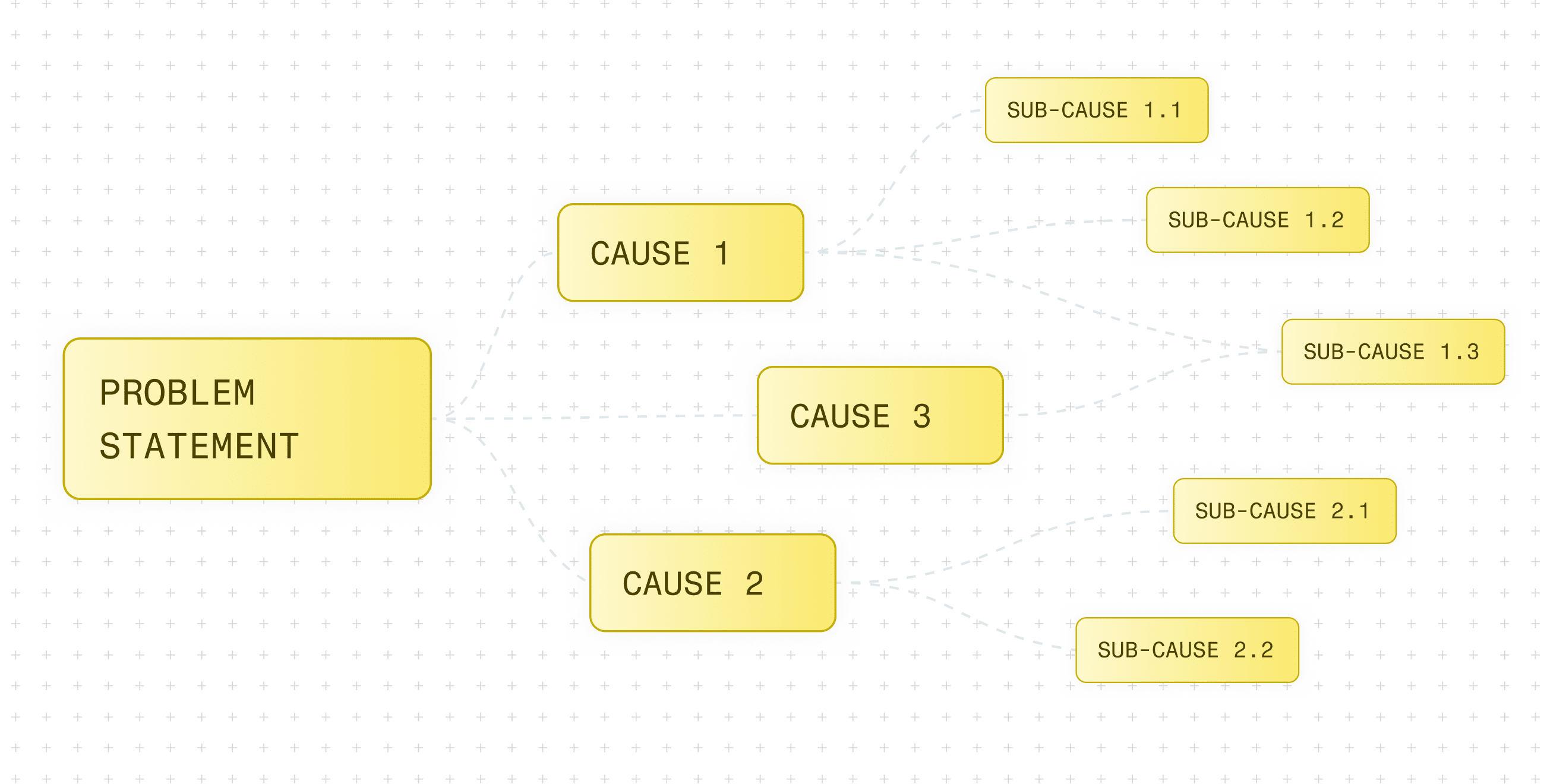
Asteria's Challenge Framing agent forces precision before exploration.
Functional diagnosis
Your engineering problem is reformulated at the right level of abstraction before any search begins.
Constraint mapping
Materials, manufacturing process, regulation, cost, and TRL targets are locked in before any exploration starts. Every concept generated downstream is filtered against these constraints.
Frame Challenges
Frame Challenges
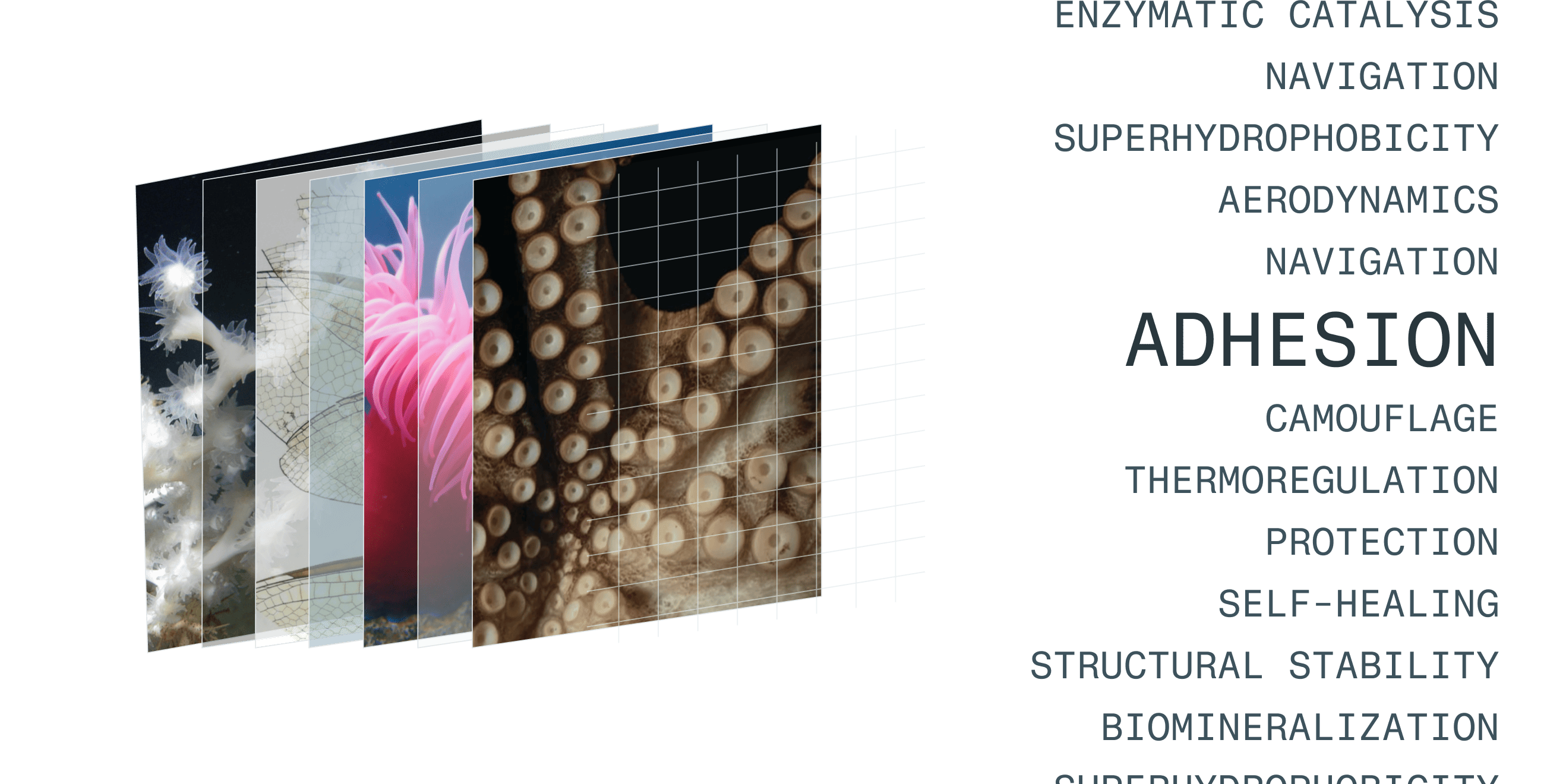
680,000 principles, indexed by functional intent and activated by your problem.
Functional matching
Results are ranked by functional proximity to your challenge. Your team works through a focused set of high-relevance mechanisms, not an overwhelming list to filter manually.
Verified sources
Every result links directly to its peer-reviewed scientific source. Full traceability for technical committees, regulatory submissions and patent filings.
Explore Mechanisms
Explore Mechanisms
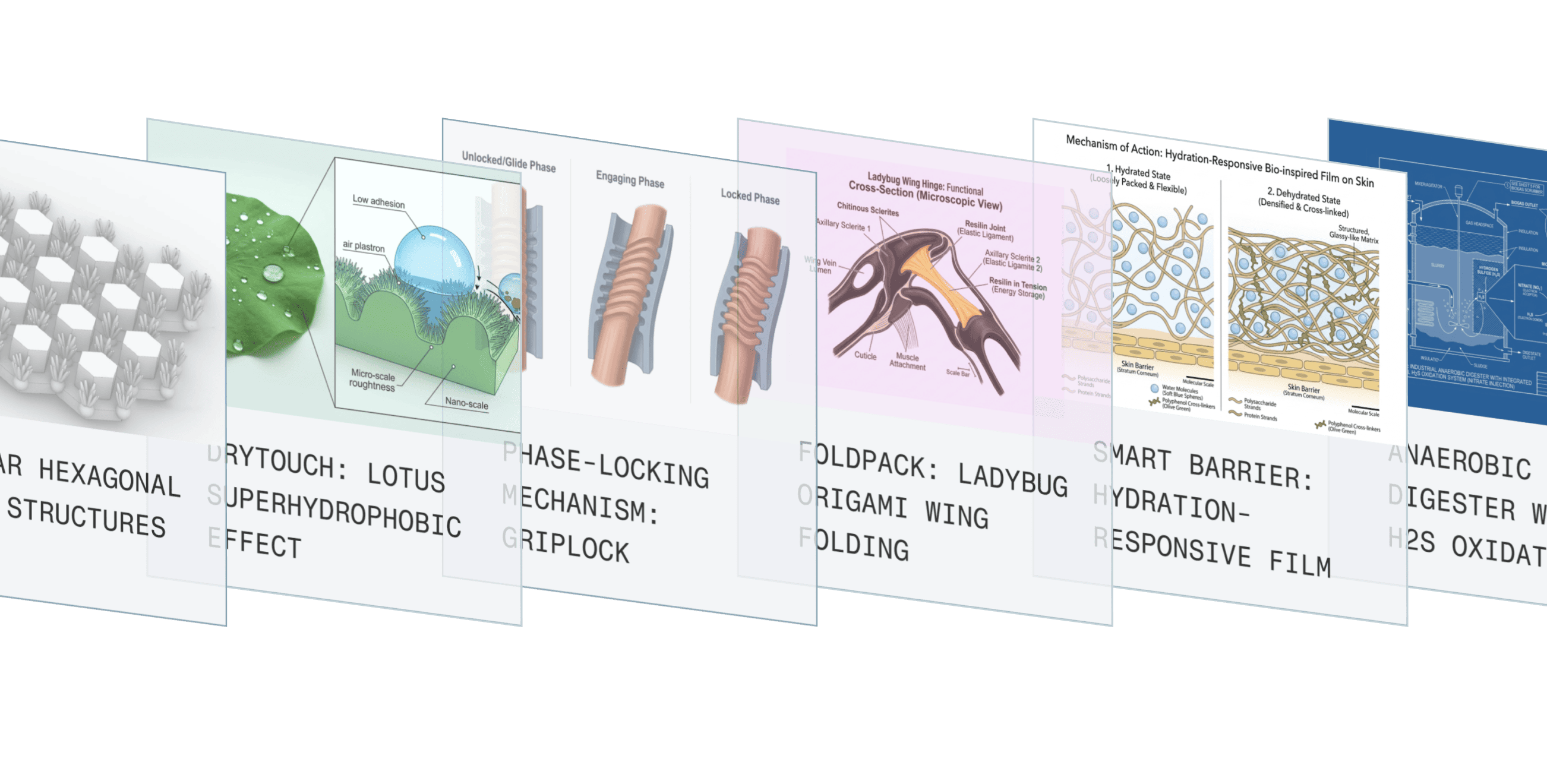
Biological mechanisms become industrial concepts, you decide which to move forward.
Options you control
Asteria AI agents generate a range of concepts from different biological mechanisms, opening paths you would not have explored on your own. You stay in control: compare the options, challenge them, and select the directions worth pushing forward.
Industrial grounding
Every concept is aligned with your manufacturing constraints, TRL targets and regulatory environment.
Design Concepts
Design Concepts
Concepts become engineering specs: materials, dimensions and roadmap, defined against your constraints.
Engineering specifications
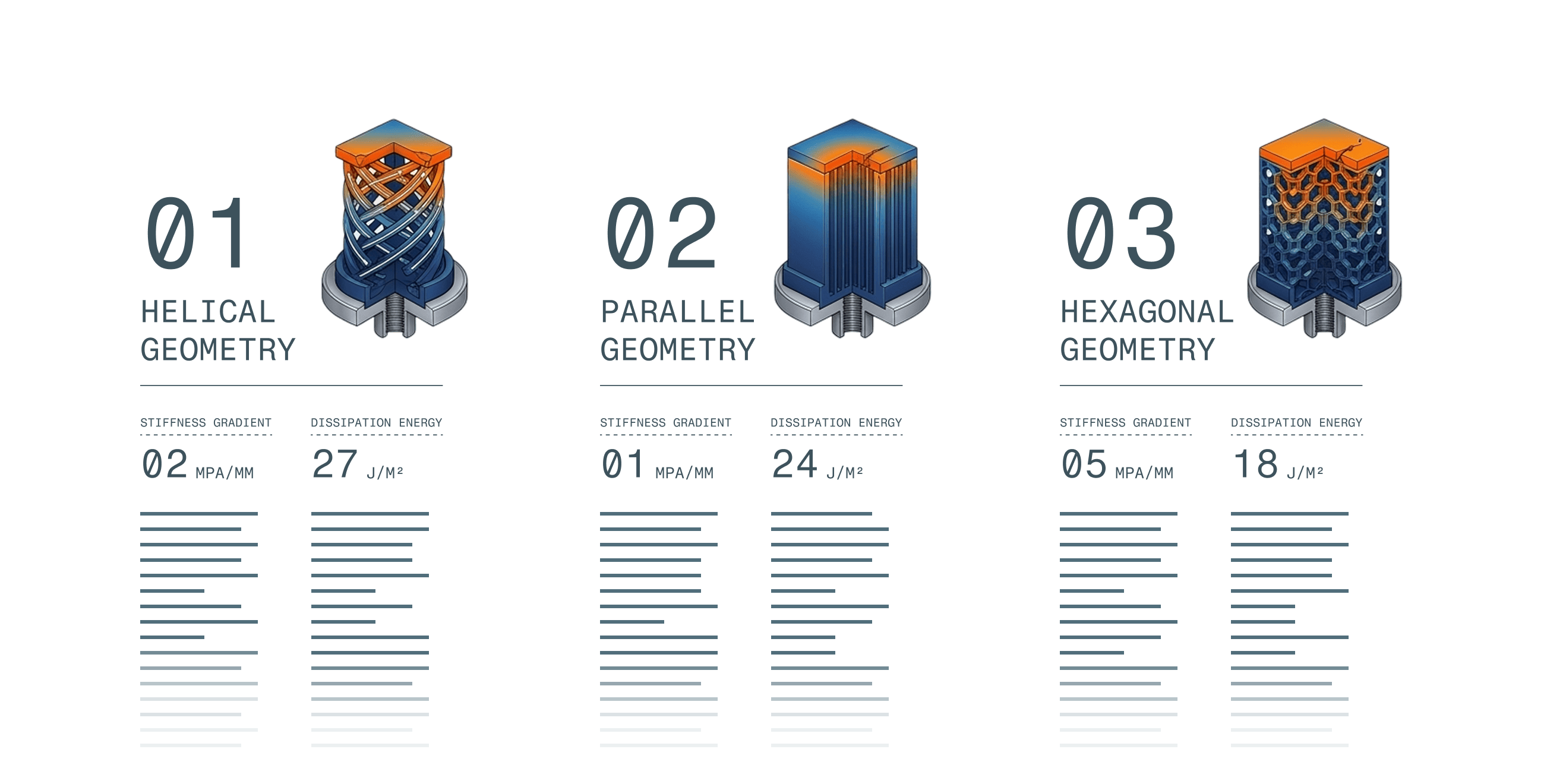
Make your concept concrete: specify materials, manufacturing processes, dimensions, and expected performance. Get engineering estimations on key parameters, grounded in scientific data, and patents.
Development readiness
Identify suppliers, discover existing technologies, and support your modeling & simulation workflows.
Engineer Specs
Engineer Specs
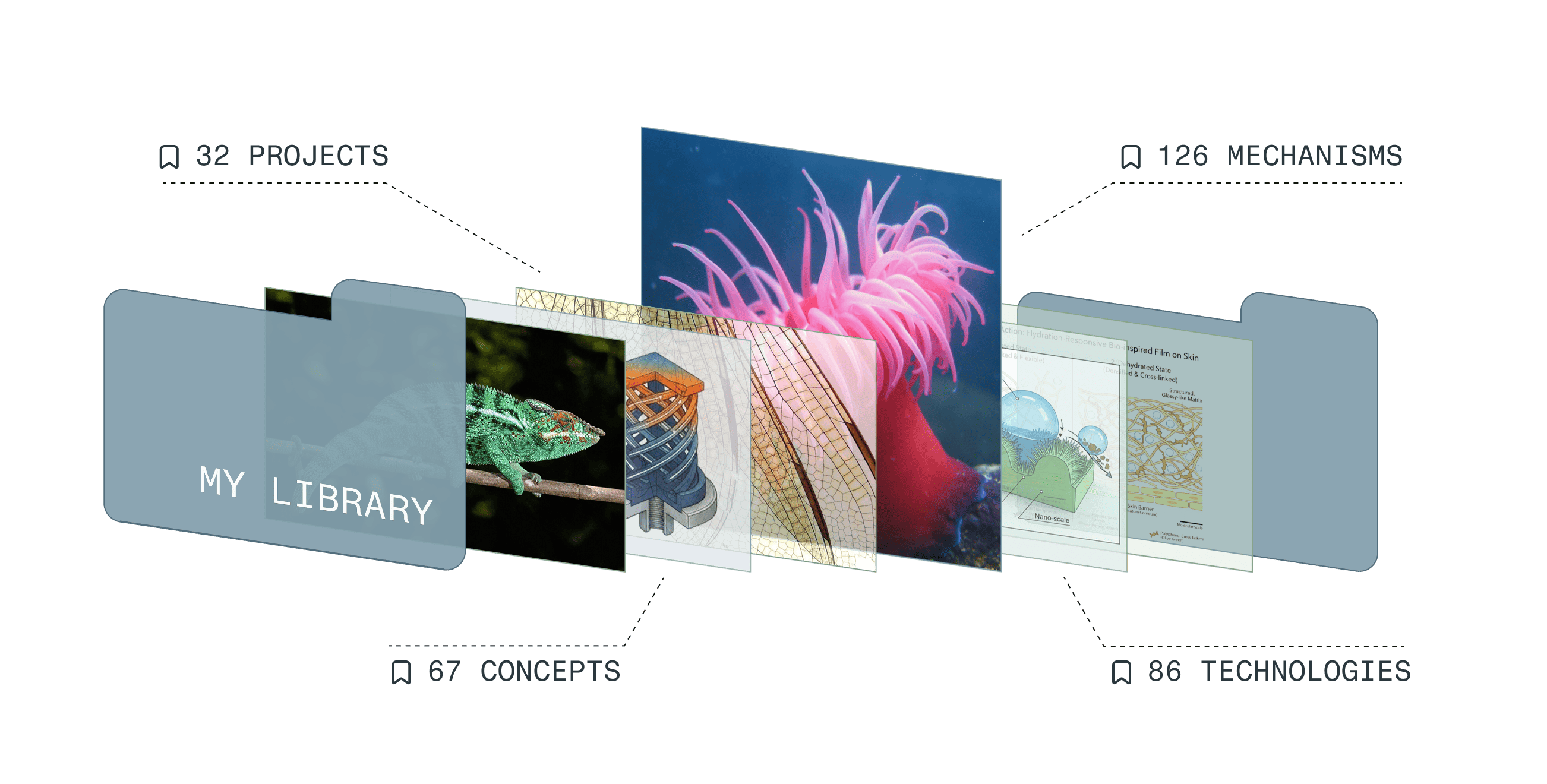
My Library stores knowledge, tags it and brings it back for your next challenge.
Cross-project reuse
Mechanisms and technologies identified for one challenge become starting points on the next. My Library makes those connections visible across projects, teams and time.
Team collaboration
Share projects and conversations with your team. Use Asteria as a creative workshop to explore, challenge and build on biological insights together.
Reuse Knowledge
Reuse Knowledge
Discover nature

What R&D engineers say about Asteria


Frequently asked questions
Biomimicry in industrial R&D is the practice of solving engineering challenges by drawing on biological mechanisms: how living systems manage energy, structure, fluid dynamics, adhesion, or self-repair, for instance. Applied biomimicry requires a structured methodology: functional abstraction of the engineering problem, systematic exploration of biological strategies, and constraint-filtered concept generation. Asteria is the only AI platform that embeds this full methodology end to end, without requiring biomimicry expertise from the engineering team.
Functional abstraction is the process of extracting the core scientific principles that enable a system to perform a function. Whether the system is biological or technological, the abstraction process remains identical. It is through this critical step that biological and technological models can be connected via shared functions, preserving the fundamental scientific laws required for a solution to work effectively. Rather than directly copying a biological system, it is the understanding, abstraction, and transfer of its underlying principles that allow engineers to adapt and fine-tune biomimetic solutions to their specific industrial constraints. Asteria's Challenge Framing and Deep Research agents automate this process, which typically requires years of biomimicry expertise to perform manually.
A generic biological database returns results by keyword or taxonomy, it doesn't understand functional intent. A generic AI generates analogies without verified sourcing or methodological structure. Asteria combines both into a structured methodology: a framing phase that defines your functional scope before any search begins, a knowledge graph that retrieves mechanisms by function rather than keyword, and a concept generation step that filters outputs against your engineering constraints. The result is not a list of biological ideas, it's a set of defensible and constraint-filtered concepts ready for technical evaluation.
Asteria is designed for use at multiple stages. Challenge Framing is most valuable at the start of a project, when the problem statement is still open. Deep Research can be engaged at any point during exploration, whether you're opening a new project or revisiting a stalled one. Concept Builder is useful once mechanisms have been identified, and you're ready to translate biological insights into engineering concepts. My Library is active throughout, storing and surfacing relevant knowledge across the full project lifecycle.
Resource & Constraint Mapping. Feasibility is deeply tied to your unique resources and constraints. Our platform maps these inputs to guide precise mechanism retrieval and automated concept generation. Each generated concept is then instantly evaluated against your constraints, giving you a clear, realistic look at its maturity and scalability.
Cross-Reference with Global Innovation. True feasibility relies on proven engineering and scientific facts. By cross-referencing your concepts with our massive datasets, spanning scientific studies on biomimetic material science, optics, thermodynamics, engineering, patents, and existing industrial technologies, we accurately estimate the technical maturity of each concept based on what is already proven to work.
No. Asteria empowers innovation teams to explore entirely new ways to use their skills and expertise. It delivers deep engineering insights and core scientific principles to support users, rather than replace them. In fact, many of our clients leverage Asteria as a framework for collective intelligence sessions and workshops, combining artificial, human, and bio-inspired intelligence to support sustainable technological development.



Collaborate with nature
Get a demo